Embracing Artisanal Goods for a Sustainable Future
- Samuel otieno
- Mar 22
- 4 min read
Updated: Apr 6
Understanding Artisanal Goods
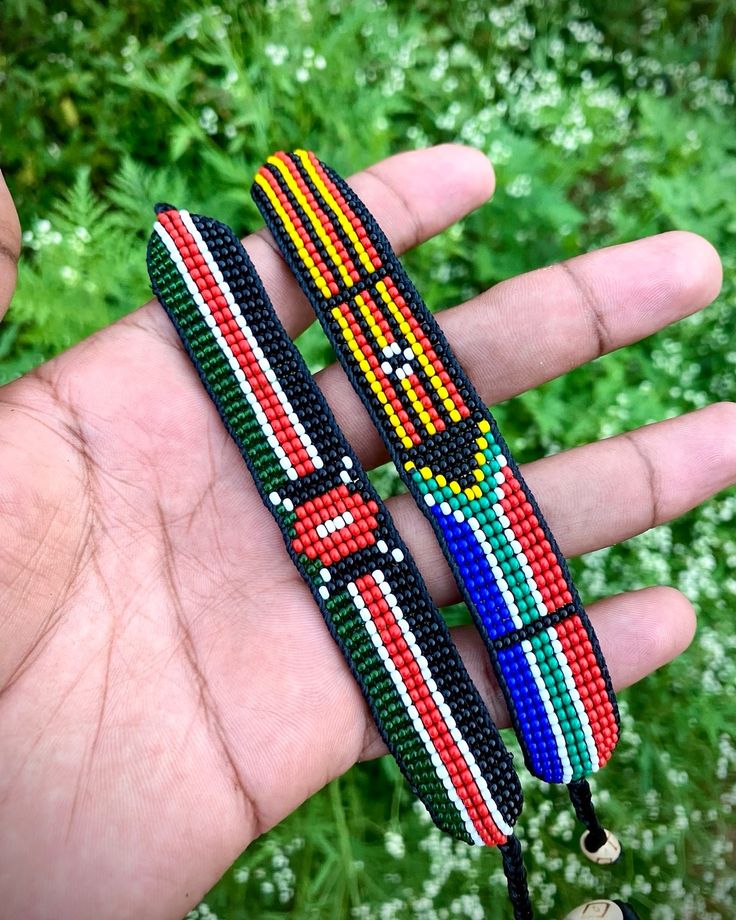
Artisanal goods are products made by skilled craftsmen and women, often using traditional methods and high-quality materials. These items can range from food products like cheese and bread to handmade furniture and clothing. The key characteristics of artisanal goods include:
Handcrafted: Each item is made by hand, ensuring uniqueness and quality.
Local Sourcing: Many artisans use locally sourced materials, reducing transportation emissions and supporting local economies.
Sustainable Practices: Artisans often prioritize environmentally friendly practices, such as using organic materials and minimizing waste.
The Rise of Artisanal Goods
The resurgence of artisanal goods can be attributed to several factors:
Consumer Awareness: As people become more aware of the environmental impact of mass production, they seek alternatives that align with their values.
Desire for Quality: Consumers are increasingly valuing quality over quantity, leading them to choose handcrafted items that last longer.
Support for Local Economies: Purchasing artisanal goods often means supporting local artisans and small businesses, fostering community growth.
The Connection Between Artisanal Goods and Self-Sustainability
Self-sustainability refers to the ability to meet one’s needs without relying heavily on external resources. Artisanal goods play a crucial role in this concept by promoting practices that encourage self-sufficiency. Here are some ways artisanal goods contribute to self-sustainability:
Supporting Local Economies
When you purchase artisanal goods, you are directly supporting local artisans and small businesses. This not only helps keep money within the community but also encourages the growth of local economies. By investing in local craftsmanship, you contribute to a cycle of sustainability that benefits everyone.
Reducing Environmental Impact
Artisanal goods typically have a lower carbon footprint compared to mass-produced items. Since many artisans source their materials locally, they reduce the need for long-distance transportation. Additionally, the use of sustainable practices in production minimizes waste and environmental degradation.
Encouraging Mindful Consumption
Choosing artisanal goods encourages consumers to be more mindful about their purchases. Instead of buying numerous low-quality items, individuals are prompted to invest in fewer, high-quality products. This shift in mindset fosters a culture of sustainability, where people prioritize durability and craftsmanship over convenience.
Practical Steps to Incorporate Artisanal Goods into Your Life
If you’re interested in embracing artisanal goods and contributing to self-sustainability, here are some practical steps to get started:
Explore Local Markets
Visit farmers' markets, craft fairs, and artisan shops in your area. These venues often feature a variety of handmade goods, from food to crafts. Engaging with local artisans allows you to learn about their processes and the stories behind their products.
Prioritize Quality Over Quantity
When shopping, focus on purchasing fewer items that are well-made and durable. This approach not only supports artisans but also reduces waste in the long run. Consider investing in timeless pieces that will last for years rather than trendy items that may quickly go out of style.
Learn a Craft
Consider taking up a craft yourself. Whether it’s pottery, woodworking, or sewing, learning a skill can deepen your appreciation for artisanal goods. Plus, creating your own items can be a fulfilling way to practice self-sustainability.
Support Online Artisans
If local markets are not accessible, explore online platforms that connect consumers with artisans. Websites like Etsy and local artisan directories allow you to find unique goods while supporting individual creators.
Share Your Knowledge
Spread the word about the benefits of artisanal goods and self-sustainability. Share your experiences with friends and family, and encourage them to explore local artisans. The more people who understand the value of these goods, the stronger the movement will become.
The Future of Artisanal Goods and Self-Sustainability
As the demand for artisanal goods continues to grow, we can expect to see more innovations in this space. Artisans are increasingly finding ways to blend traditional techniques with modern technology, creating products that are both sustainable and appealing to contemporary consumers.
Innovations in Artisanal Practices
Sustainable Materials: Many artisans are experimenting with eco-friendly materials, such as recycled fabrics and organic ingredients, to create their products.
Collaborative Spaces: Co-working spaces for artisans are becoming more popular, allowing creators to share resources and knowledge, which can lead to more innovative products.
Online Communities: The rise of social media and online marketplaces has enabled artisans to reach a global audience, expanding their customer base and promoting their sustainable practices.
The Role of Consumers
Consumers play a vital role in shaping the future of artisanal goods. By choosing to support local artisans and prioritize sustainable practices, individuals can drive demand for these products. This shift not only benefits artisans but also contributes to a more sustainable economy.
Conclusion
Artisanal goods represent a powerful movement towards self-sustainability. By embracing these handcrafted items, we can support local economies, reduce our environmental impact, and foster a culture of mindful consumption. Whether you’re exploring local markets, learning a craft, or sharing your knowledge with others, every step you take towards incorporating artisanal goods into your life contributes to a more sustainable future.
As you consider your next purchase, think about the impact of your choices. Choosing artisanal goods is not just about acquiring unique items; it’s about supporting a way of life that values craftsmanship, sustainability, and community. Let’s take this journey together towards a more self-sustainable future.


Comments